
Now Reading: Nanorobotics in Medicine: A Systematic Review of Advances, Challenges, and Future Prospects
-
01
Nanorobotics in Medicine: A Systematic Review of Advances, Challenges, and Future Prospects
Nanorobotics in Medicine: A Systematic Review of Advances, Challenges, and Future Prospects
Introduction
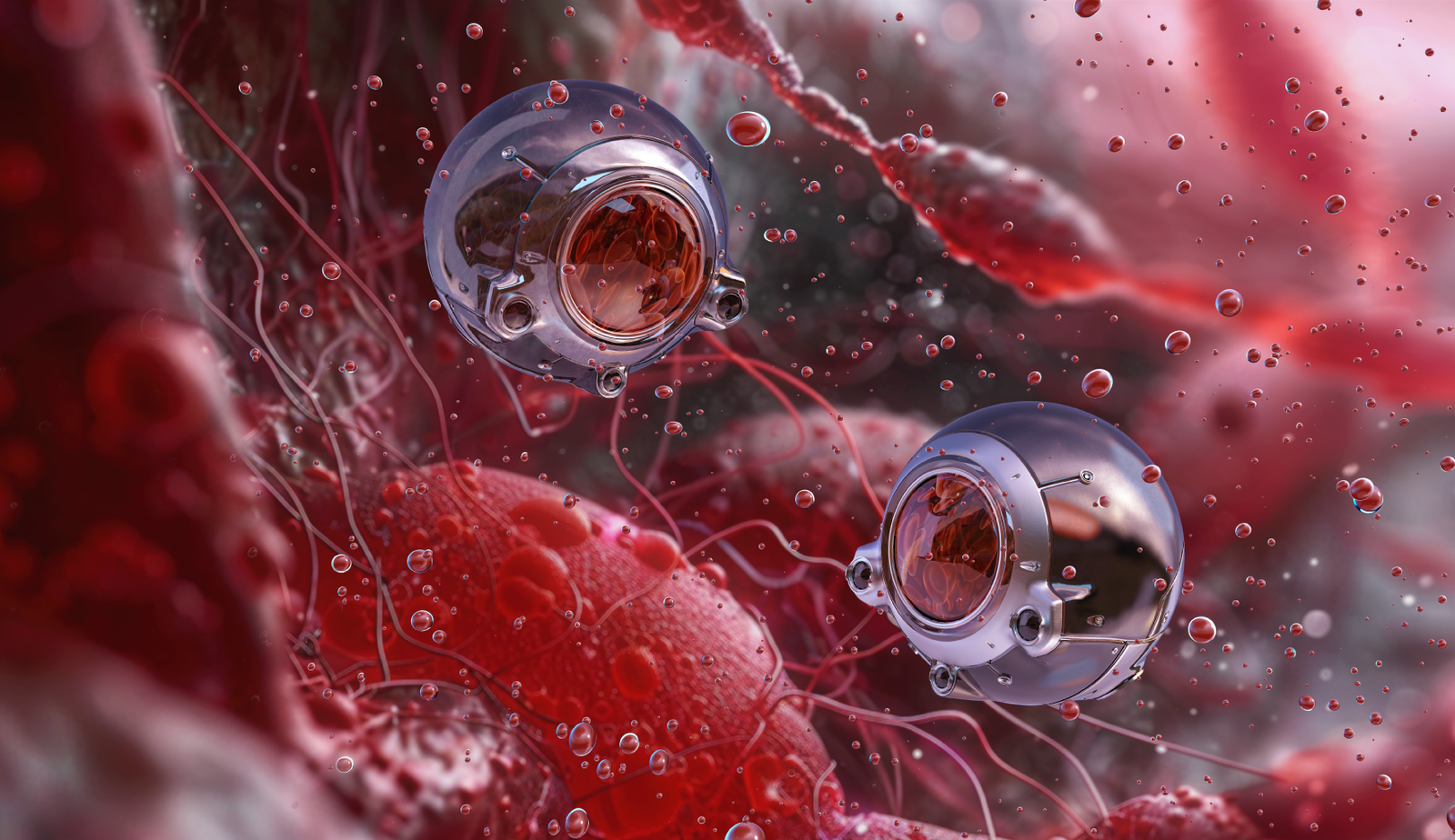
Nanorobotics is revolutionizing medicine, offering unprecedented capabilities in diagnostics, targeted drug delivery, and minimally invasive surgery. This article explores recent advancements in nanorobotics, its applications, and the challenges that must be overcome to integrate it into mainstream medical practice.
Current Applications of Nanorobotics in Medicine
Targeted Drug Delivery
Nanorobots can precisely deliver medication to specific cells, reducing side effects and increasing treatment efficacy. This is particularly promising for cancer therapy, where traditional chemotherapy affects both healthy and cancerous cells.
Single-Cell Manipulation
Nanorobots allow scientists to manipulate individual cells, leading to breakthroughs in regenerative medicine and gene therapy. Researchers are exploring their use in repairing damaged tissues and organs at a microscopic level.
Biosensing and Early Disease Detection
Nanorobots equipped with biosensors can detect disease markers at an early stage, enabling timely intervention. This has applications in monitoring chronic conditions like diabetes and cardiovascular diseases.
Challenges and Future Prospects
Despite its potential, nanorobotics faces hurdles such as biocompatibility, precise control mechanisms, and regulatory approval. Ongoing research aims to refine these technologies for safe and effective medical applications.
Conclusion
Nanorobotics has the potential to transform healthcare, making treatments more efficient and less invasive. Continued advancements will pave the way for their widespread clinical use.