

Now Reading: Innovations in Surgical Techniques: The Rise of Minimally Invasive Procedures
-
01
Innovations in Surgical Techniques: The Rise of Minimally Invasive Procedures
Innovations in Surgical Techniques: The Rise of Minimally Invasive Procedures
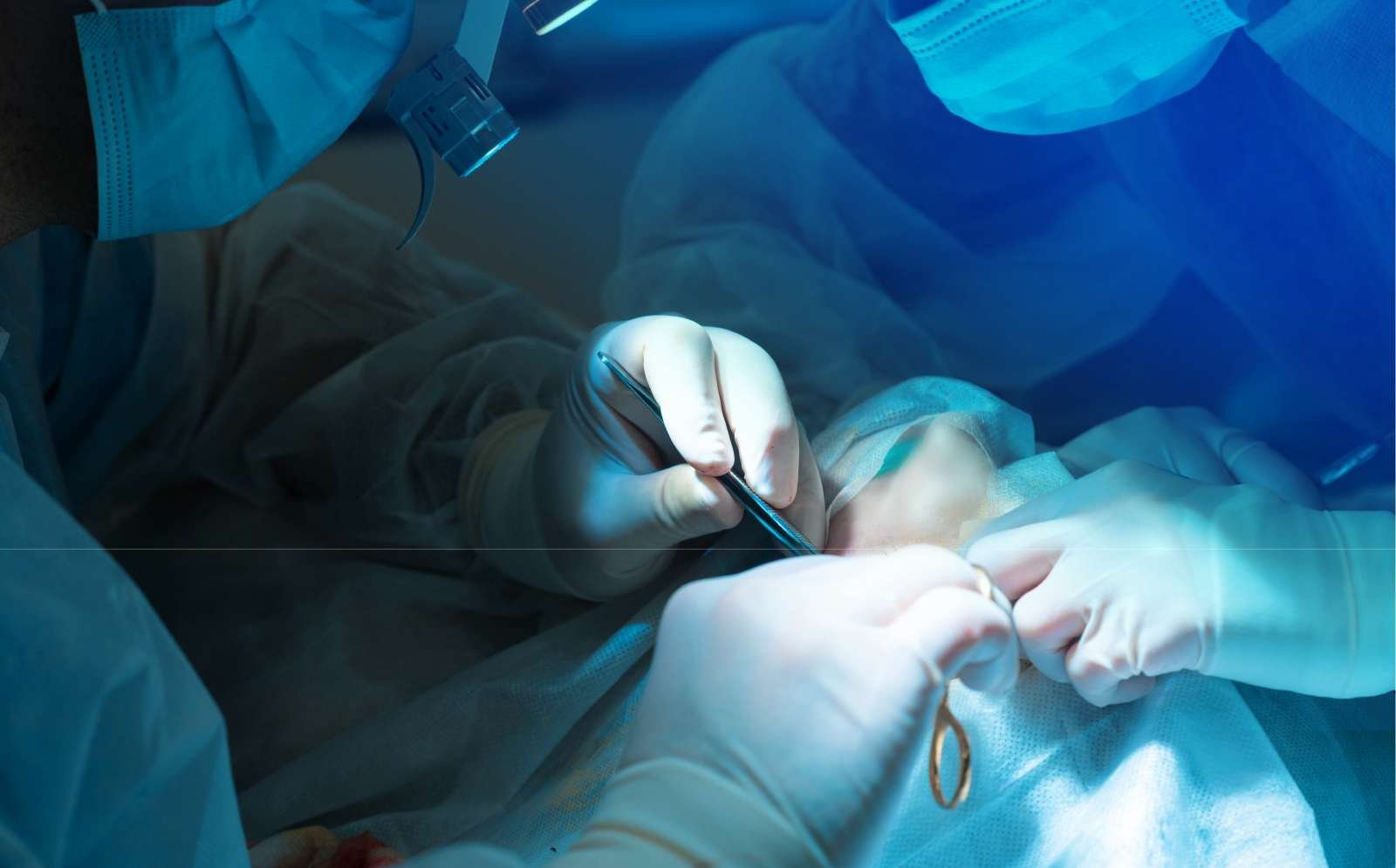
Minimally invasive surgery (MIS) has transformed the landscape of modern healthcare, offering patients safer, more effective alternatives to traditional open surgeries. With advancements in robotic-assisted procedures, laparoscopic techniques, and endoscopic innovations, MIS is becoming the gold standard in various medical specialties. This article explores the benefits, challenges, and future potential of minimally invasive surgery in Canada.
Understanding Minimally Invasive Surgery
1. What is Minimally Invasive Surgery?
• MIS involves small incisions instead of large surgical cuts, reducing trauma to surrounding tissues.
• Techniques include laparoscopy, robotic-assisted surgery, and endoscopic procedures.
2. How It Differs from Traditional Surgery
• Traditional open surgery requires larger incisions, longer hospital stays, and extended recovery times.
• MIS reduces postoperative pain, scarring, and infection risks.
Benefits of Minimally Invasive Surgery
1. Faster Recovery Times
• Patients undergoing MIS typically experience shorter hospital stays and quicker return to daily activities.
• Some procedures allow for same-day discharge.
2. Reduced Risk of Complications
• Smaller incisions mean lower chances of infections, bleeding, and post-surgical complications.
• Studies show that MIS leads to better patient outcomes compared to open surgeries.
3. Improved Precision with Robotic Assistance
• Robotic-assisted systems, such as the da Vinci Surgical System, allow surgeons to perform complex procedures with greater accuracy.
• AI-driven robotics minimize human errors and enhance surgical precision.
Common Applications of Minimally Invasive Surgery
1. Orthopedic Procedures
• Knee and hip replacements can now be performed with smaller incisions, reducing recovery times.
• Arthroscopic techniques minimize tissue damage in joint surgeries.
2. General and Gastrointestinal Surgery
• Laparoscopic gallbladder removal (cholecystectomy) is one of the most common MIS procedures.
• Minimally invasive hernia repairs reduce postoperative discomfort and recurrence rates.
3. Cardiac and Thoracic Surgery
• Endoscopic heart valve repair and robotic-assisted coronary artery bypass surgery have improved outcomes for cardiac patients.
• Lung cancer surgeries using MIS techniques result in less trauma and shorter ICU stays.
Challenges and Limitations
1. High Equipment Costs
• Robotic-assisted surgical systems require significant investment, making adoption difficult for smaller hospitals.
• Training and maintenance add to the overall costs.
2. Limited Access in Rural Areas
• Not all hospitals have specialized MIS equipment or trained surgeons.
• Tele-surgery and virtual training programs aim to expand MIS availability.
3. Steep Learning Curve for Surgeons
• Surgeons require extensive training and experience to master robotic-assisted techniques.
• Ongoing professional development is essential for successful MIS implementation.
The Future of Minimally Invasive Surgery in Canada
1. AI-Powered Surgical Assistance
• AI-driven algorithms help predict surgical outcomes and guide intraoperative decisions.
• Machine learning enhances robotic precision, making surgeries even safer.
2. Expansion of Remote Surgery
• 5G technology and tele-surgery advancements may allow specialists to perform MIS remotely, improving access to care in remote regions.
3. Personalized and Customizable Surgical Approaches
• 3D-printed surgical models allow for personalized preoperative planning and better patient-specific treatment strategies.
Conclusion
Minimally invasive surgery is revolutionizing healthcare by offering safer, more efficient surgical solutions. While challenges such as high costs and training requirements exist, ongoing technological advancements promise to make MIS more accessible across Canada. With increased adoption and refinement, minimally invasive techniques will continue to improve patient care and surgical outcomes nationwide.