
Now Reading: Innovations in Cervical Cancer Screening: The Shift Towards Self-Collected HPV Swabs
-
01
Innovations in Cervical Cancer Screening: The Shift Towards Self-Collected HPV Swabs
Innovations in Cervical Cancer Screening: The Shift Towards Self-Collected HPV Swabs
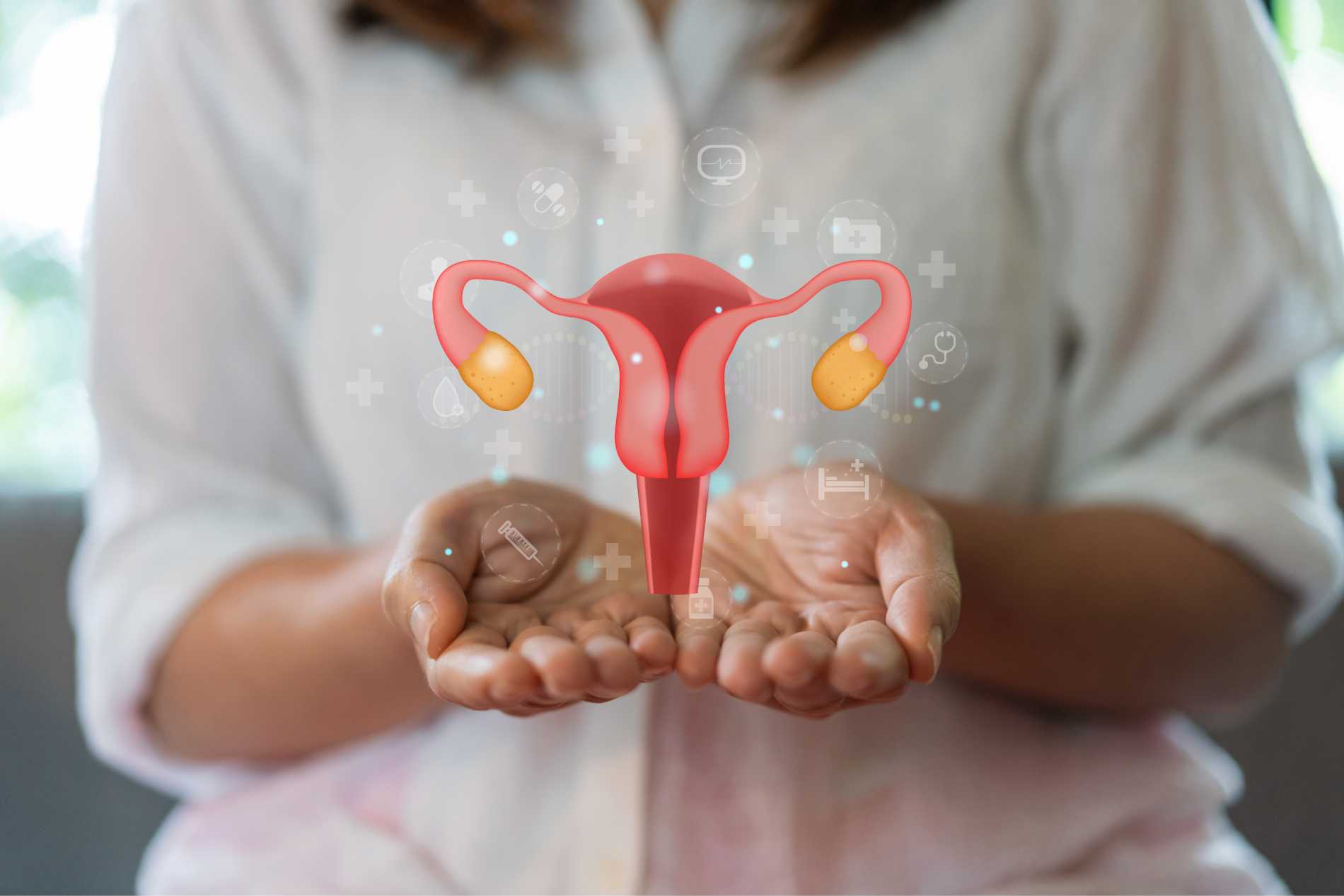
Cervical cancer remains a significant public health challenge, despite advances in prevention and early detection. One of the latest innovations in cervical cancer screening is the introduction of self-collected HPV swabs. These tests offer a promising alternative to traditional Pap smears, increasing accessibility and encouraging more women to participate in screening programs.
The Burden of Cervical Cancer
1. Cervical Cancer in Canada
Cervical cancer is the fourth most common cancer among women worldwide. In Canada, an estimated 1,300 women are diagnosed annually, with over 400 deaths reported. The primary cause is persistent infection with high-risk strains of the human papillomavirus (HPV).
2. The Role of HPV in Cervical Cancer Development
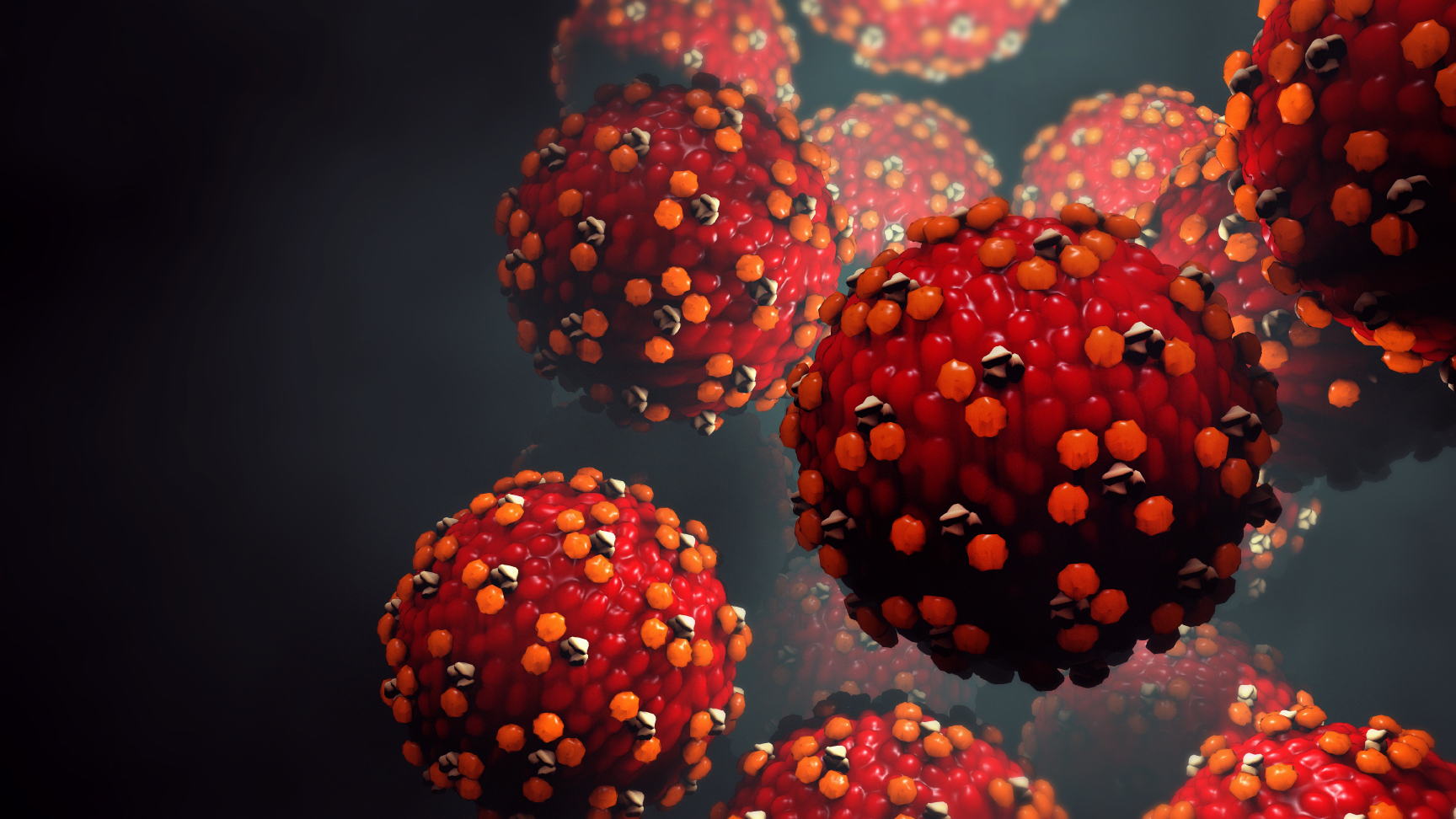
HPV is responsible for nearly all cervical cancer cases. Although HPV infections are common, most resolve without complications. However, persistent infections with high-risk HPV types can lead to abnormal cell changes and, eventually, cancer.
3. Current Screening Methods
The conventional method for detecting cervical cancer involves Pap tests, which require a healthcare provider to collect cervical cell samples. While effective, Pap tests have barriers, including discomfort, stigma, and accessibility challenges.
Self-Collected HPV Swabs: A Game-Changer in Screening
1. How Do Self-Collected HPV Tests Work?
Self-sampling involves using a swab to collect a vaginal sample, which is then tested for high-risk HPV strains. Research has shown that self-collected samples are as effective as clinician-collected samples in detecting HPV.
2. Benefits of Self-Sampling
- Increased Participation: Women who avoid traditional screenings due to embarrassment, fear, or logistical issues may be more willing to use self-swabs.
- Convenience: These tests can be done at home and mailed to a lab for analysis.
- High Accuracy: Studies confirm that self-collected HPV tests have comparable accuracy to clinician-collected samples.
- Cost-Effectiveness: Self-sampling reduces the need for clinic visits and may lower healthcare costs associated with cervical cancer screening programs.
Public Health Implications
1. Targeting Underserved Populations
Rural communities, Indigenous populations, and those without regular healthcare access stand to benefit the most from self-collection options.
2. Integration with National Screening Programs
Health organizations are evaluating how to incorporate self-sampling into national cervical cancer screening programs to complement existing Pap test services.
3. Overcoming Hesitancy and Misinformation
Educational campaigns are crucial in addressing concerns and ensuring women understand the safety, accuracy, and benefits of self-sampling.
Future Directions
1. Expansion to Other Cancers
Researchers are exploring whether self-sampling methods could be adapted for detecting other HPV-related cancers, such as anal and oropharyngeal cancers.
2. Advances in At-Home Diagnostic Technologies
Future at-home tests may integrate real-time diagnostic features, reducing the need for laboratory analysis and speeding up results.
3. Policy Changes to Support Adoption
Health authorities may need to update guidelines to officially endorse self-sampling as part of national screening programs.
Conclusion
Self-collected HPV swabs represent a groundbreaking advancement in cervical cancer screening. By improving access, increasing participation, and maintaining high accuracy, this method has the potential to save lives and revolutionize cervical cancer prevention efforts in Canada.