Now Reading: Harnessing the Digital Revolution: A Comprehensive Review of mHealth Applications for Remote Monitoring
-
01
Harnessing the Digital Revolution: A Comprehensive Review of mHealth Applications for Remote Monitoring
Harnessing the Digital Revolution: A Comprehensive Review of mHealth Applications for Remote Monitoring

Introduction
Mobile health (mHealth) applications are transforming healthcare delivery by enabling remote monitoring and personalized patient care. This article examines the latest advancements, benefits, and challenges of mHealth solutions.
The Role of mHealth in Healthcare
Chronic Disease Management
mHealth applications help patients monitor conditions like diabetes and hypertension through real-time data tracking, reducing hospital visits and improving self-care.
Remote Patient Monitoring
Wearable devices and smartphone apps provide continuous health monitoring, allowing doctors to assess patient health remotely and intervene when necessary.
Telemedicine Integration
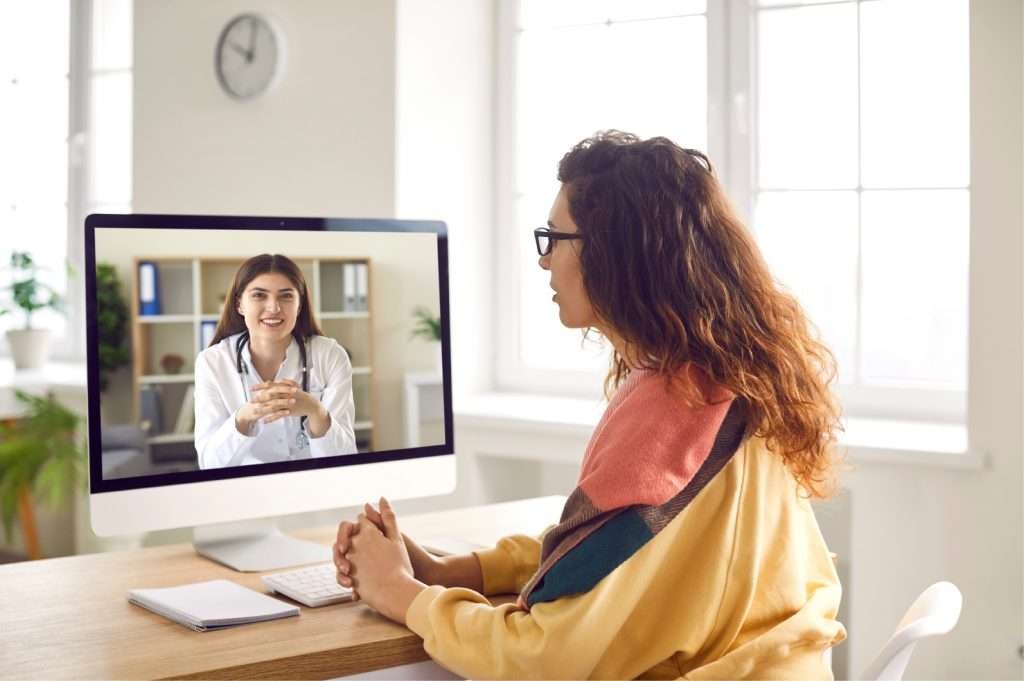
mHealth platforms enhance telemedicine by facilitating virtual consultations, electronic prescriptions, and digital health record access.
Challenges in mHealth Implementation
Data security, interoperability, and patient adherence are key challenges in mHealth adoption. Addressing these concerns will be crucial for ensuring its widespread use.
Conclusion
mHealth applications are revolutionizing patient care, providing accessibility and efficiency in healthcare delivery. Continued innovation and regulatory frameworks will enhance their effectiveness.